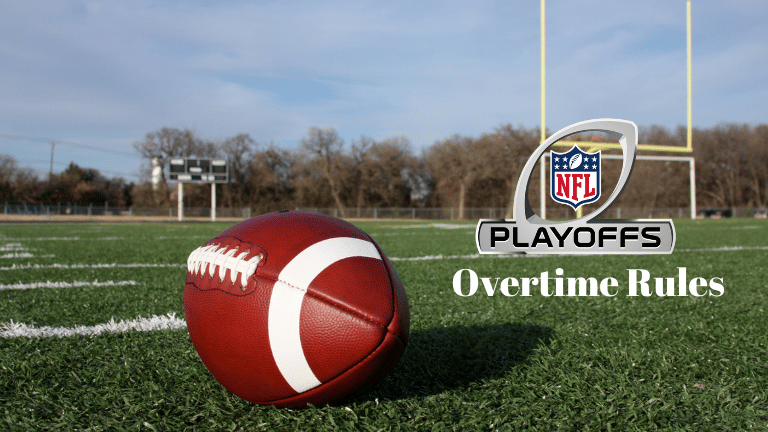
NFL Playoff Overtime Rules 2026: Complete Guide & What Changed
The NFL playoffs bring the most intense football of the year. Each play can make or break a team’s Super Bowl dreams. Overtime takes that pressure and turns it up even higher.
Playoff overtime works differently than regular season games. The NFL changed the rules to make things fairer for both teams. This guide explains everything you need to know about 2026 playoff overtime rules.
NFL Playoff Overtime Rules Quick Reference
| Rule Element | Details |
|---|---|
| Period Length | 15 minutes |
| Coin Toss | Visiting team calls it |
| First Possession | Both teams guaranteed |
| Sudden Death | After both possessions |
| Timeouts | 3 per half |
| Replay Reviews | Booth official only |
| Tie Games | Not allowed |
How Playoff Overtime Works in 2026
Both Teams Get the Ball
This is the biggest rule to remember. Both teams get at least one possession in playoff overtime. The first team can score a touchdown and the game continues. The second team still gets their chance to match or beat that score.
The only exception is if the defense scores a safety on the first possession. That almost never happens though.
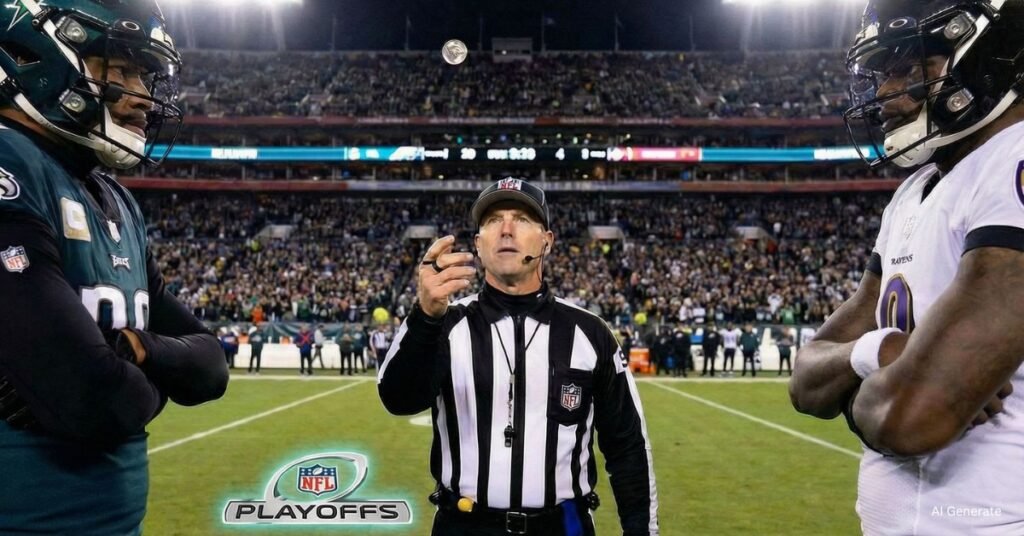
The Coin Toss
The referee tosses a coin at the end of regulation. The visiting team captain calls it. The winner picks one of three options:
- Receive the kickoff
- Kick to the opponent
- Choose which end zone to defend
Most teams take the ball first. Some coaches now kick off because they want to know exactly what their offense needs to do.
How Long Is Overtime?
Each playoff overtime period lasts 15 minutes. Regular season overtime only lasts 10 minutes. Teams get a two-minute warning just like in regular quarters.
Sudden Death After First Possessions
Once both teams have the ball the rules change. The next score wins. A field goal ends it. A touchdown ends it. Any score wins the game.
Multiple Overtime Periods
Playoff games cannot end in a tie. The game keeps going until someone wins. Teams get a two-minute break between overtime periods. After four overtime periods there is another coin toss.
Timeouts
Teams get three timeouts per half in playoff overtime. The first two periods count as one half. Periods three and four count as the second half. Smart timeout management can win games.
No Coach Challenges
Coaches cannot challenge plays in playoff overtime. The replay official upstairs reviews all questionable calls. This keeps the game moving faster.
What Changed After 2025
The NFL made a key rule change in 2025. The league wanted to align playoff and regular season overtime rules. Both teams now get a possession even after a touchdown on the opening drive.
Why the Rules Changed
The 2022 playoff game between Kansas City and Buffalo sparked the change. The Chiefs won the coin toss and scored a touchdown. Buffalo never touched the ball. Fans and players said this was unfair.
The NFL listened and changed the rules. Super Bowl 58 in 2024 was the first championship game under the new format. Kansas City beat San Francisco 25-22 in overtime. Both teams got their shot.
Regular Season vs Playoff Overtime
The rules have some important differences between regular season and playoff games:
| Rule | Regular Season | Playoffs |
|---|---|---|
| Period Length | 10 minutes | 15 minutes |
| Can End in Tie? | Yes | No |
| Both Teams Get Ball? | Yes | Yes |
| Multiple Periods? | No (one only) | Yes (unlimited) |
| Timeouts Per Half | 2 | 3 |
| Two-Minute Warning? | Yes | Yes |
The biggest difference is that playoff games continue until someone wins. Regular season games end in a tie after one 10-minute period.
How Teams Approach Overtime Strategy
Kick or Receive?
Coaches now think harder about the coin toss decision. Taking the ball first lets you control the tempo. Kicking first tells you exactly what score you need.
Some analytics experts prefer kicking first. You can play more aggressive defense knowing you get the ball next.
Fourth Down Calls
Teams go for it on fourth down more in playoff overtime. Punting gives up field position but you know the other team gets a possession anyway. The math supports being aggressive.
Clock Management
Running out of time means another overtime period. That means more hits and more injury risk. Coaches balance aggression with smart clock use.
2026 Wild Card Overtime Potential
Based on NFL history, approximately 5-7% of playoff games require overtime. With 13 playoff games in the 2026 postseason we could see one or two overtime thrillers.
Defensive Matchups
Teams with top-ranked defenses facing opponents who struggle to score often produce close games. These low-scoring battles frequently go to overtime. Wild Card Weekend typically features at least one defensive struggle that goes down to the wire.
Division Rivalry Games
Division rivals who meet in the playoffs know each other extremely well. These teams have faced each other twice during the regular season. The familiarity often leads to tight contests. Recent history shows division rivalry playoff games have a higher overtime rate than other matchups.
Weather Factor Games
Cold weather playoff games in cities like Green Bay or Buffalo can make scoring difficult. Kickers struggle with long field goals in freezing temperatures. These conditions often produce close games that need overtime to decide a winner.
Famous Playoff Overtime Games
Chiefs vs Bills (2022 Divisional Round):
These teams scored 25 points in the final two minutes of regulation. Kansas City won the coin toss and scored a touchdown immediately. Buffalo never got the ball. This controversial ending directly led to the rule changes we see today.
Chiefs vs 49ers (Super Bowl 58 – February 2024):
The first Super Bowl overtime under the new rules. San Francisco received the ball first and kicked a field goal on their opening drive. Kansas City got their guaranteed possession and scored a touchdown to win 25-22. Both teams had their chance to win.
Patriots vs Falcons (Super Bowl 51 – February 2017):
New England came back from a 28-3 deficit to force overtime. The Patriots won the coin toss under old rules and scored a touchdown. Atlanta never touched the ball. This game happened before the current rules took effect.
FAQs about NFL Playoff Overtime
Can playoff games end in a tie?
No. The game continues until someone wins. There is no limit to how many overtime periods can be played.
What if both teams score touchdowns first?
The game continues with sudden death rules. The next score of any kind wins the game.
Do overtime stats count?
Yes. All statistics from overtime periods count toward season totals and career records.
How many overtimes can happen?
There is no limit. Teams play 15-minute periods until someone wins. The longest playoff overtime game in NFL history required two full overtime periods.
Who wins the coin toss more often?
Teams that win the coin toss win about 55% of playoff overtime games under the current rules. This is much more balanced than the 70% win rate under previous rules.
What happens after four overtime periods?
There is another coin toss. The team that lost the first overtime coin toss gets to choose whether to receive or kick unless the original winner deferred.
Can a safety end the game immediately?
Yes. A safety scored on the first possession ends the game right away. This is the only exception to the both-teams-get-possession rule.
Are there more commercials during overtime?
Yes. Television networks add commercial breaks between overtime periods and during timeouts. The two-minute break between periods includes advertising.
Why These Rules Matter
The current format gives both teams a fair shot at winning. The better team usually prevails instead of the luckier team. Coaches have more strategic options than under previous rules. Fans get fewer controversial endings and more exciting football.
The 2026 playoffs will test these rules with a new group of championship contenders. Every overtime game adds drama and creates memorable moments that fans remember for years.
Teams that prepare for overtime situations during practice often perform better when games go beyond regulation. Clock management drills and special overtime play calls can make the difference between winning and losing.
You now understand how playoff overtime works in 2026. Both teams get their shot and the rules reward execution over luck. The next time a playoff game goes to overtime you’ll know exactly what’s happening and why coaches make their decisions.
Last Updated: January 8, 2026